

 Luces LED Inground
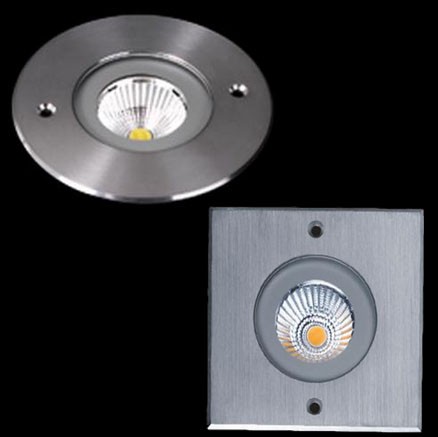
Luces de enterrado LED COB de alta potencia
1. Chips LED COB 2. Carcasa de aluminio y SUS 316 Anillo delantero 3. Prensaestopas impermeable IP68 4. Bajo / Alto voltaje de entrada
 Luces LED Inground
Mini luces de enterrado LED de alta potencia
Funciones: 1.La luz LED de alta potencia en el suelo puede instalarse en el suelo para decoración o iluminación. Es ampliamente utilizado para jardín, parque temático, plaza, etc 2.Single color (blanco puro, blanco cálido,…
 Luces LED Inground
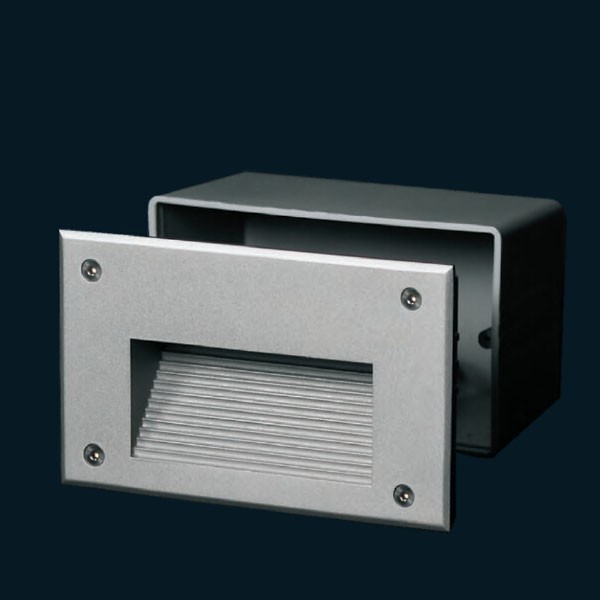
Luz trasera LED de baja potencia
1.La luz LED de alta potencia en el suelo puede instalarse en el suelo para decoración o iluminación. Es ampliamente utilizado para jardín, parque temático, plaza, etc 2.Single color (blanco puro, blanco cálido, rojo,…
 Luces LED Inground
Mini 1x2w luces de tierra LED de alta potencia
Funciones: 1.La luz LED de alta potencia en el suelo puede instalarse en el suelo para decoración o iluminación. Es ampliamente utilizado para jardín, parque temático, plaza, etc 2.Single color (blanco puro, blanco cálido,…
 Luces LED Inground
RGBW 4en1 LED Luces de tierra
1. SUS 316 para portada, Aluminio para carcasa 2. Prensaestopas IP68 , IP67 para lámpara 3. 24Voltaje de entrada V DC 4. RGBW 4 en 1
 Luces LED Inground
SMD 6 Lámpara de pared interior lateral LED
Funciones: 1.La lente rómbica crea una distribución uniforme de la luz sin deslumbramiento 2.El efecto de escena de luz se puede mejorar con el accesorio instalado a lo largo de la pared del edificio o debajo del arbusto.
 Luces LED Inground
SMD LED Inground Back Light
Fiestas: 1. Clase de TI SMD LED.has vida útil extremadamente larga 2. Refractado a través del vidrio mate.la luz es brillante sin deslumbramiento.
 Luces LED Inground
Luces de enterrado LED SMD
Funciones: 1. Hacer LED de larga duración y sellado con silicona del controlador es la mejor protección para el ajuste contra la humedad. 2. El reflector anodizado aspirado crea una luz brillante y acristalada con más sentimiento.
 Luces LED Inground
SMD Low Power LED Inground Light
Fiestas: 1. LED SMD de clase IT. tiene una vida útil extremadamente larga 2. Refractado a través del vidrio enmarañado. La luz es brillante sin deslumbramiento.
LED Inground Lights: Guía Completa de Especificaciones
Comlite manufactures LED inground lights — also called LED ground lights, underground lights or recessed uplights — for pathways, plazas, decks, facades and landscape schemes. Our range covers high power and low power models, COB and SMD light sources, adjustable beam angles and stainless steel covers rated for drive-over applications.
Inground lights are specified more often than almost any other landscape fitting, and they fail more often too. The reason is simple: a light set into the ground sits in standing water, carries foot or vehicle load, and cannot be serviced without breaking the surface. This page covers the four specification decisions that determine whether an inground installation lasts three seasons or fifteen years.
IP67 vs IP68 for Inground Lights
The right rating depends on how much water the fitting will actually sit in.

- IP67 — protected against temporary immersion to 1 metre. Appropriate for most landscape inground lights in well-drained ground.
- IP68 — protected against continuous immersion beyond 1 metre. Specify this where water pools: poor drainage, irrigation-heavy schemes, pond edges, or any location that floods seasonally.
Our standard inground range is IP67. For pond edges, water features and poorly drained sites, use our IP68 underwater range instead — the same engineering, rated for permanent submersion.
High Power vs Low Power: Choosing Output
This is where most specifications go wrong, and usually in the same direction.
Under-specifying leaves a scheme that looks impressive on paper and invisible at night — a 1W marker light will not uplight a mature tree. Over-specifying creates glare, washes out the architecture and multiplies both cost and heat load.
- 1-3W — marker and wayfinding lights along paths and steps
- 3-6W — general pathway and deck lighting, low-level planting
- 6-12W — uplighting for small trees, walls and signage
- 12W+ — large trees, building facades, statement columns
See our high power LED inground lights and low power SMD inground lights.
COB vs SMD Light Source
COB (chip-on-board) packs many LED dies into a single emitting surface, producing one intense, even beam with no visible dots. It is the better choice for uplighting where beam quality and uniformity matter, and it generally delivers higher output per fitting.
SMD (surface-mounted device) uses discrete LED packages. Output per fitting is lower, but SMD gives more flexibility in beam distribution and colour mixing, and runs cooler — which matters in enclosed inground housings where heat has nowhere to go.
Both are available across our range. Browse COB LED inground lights.
Fixed vs Adjustable Beam
A fixed-beam inground light is simpler, better sealed and usually cheaper. It is the right default when the fitting position and the target are both known at design stage.
An adjustable-beam fitting lets the installer aim the light after installation, which is genuinely useful for uplighting trees that grow, sculptures whose final position changes, or schemes commissioned on site. The trade-off is one more moving part in the sealing path. Our adjustable beam inground lights are designed to hold their aim without compromising the gasket.
Load Rating and Cover Material
An inground light in a driveway is a structural component, not just a luminaire. Two things matter:
- Cover material. 316 stainless steel for coastal and de-icing salt environments; 304 stainless or tempered glass for most inland schemes.
- Load rating. Pedestrian-rated fittings will crack under vehicle load. If cars will drive over it, it must be specified as drive-over rated — check the stated static load in kilograms or kilonewtons.
Installation Notes That Prevent Most Failures
- Always use a drainage sump. Gravel beneath the housing lets water drain away instead of pooling around the fitting.
- Use a proper cable gland, not silicone alone. Capillary action will draw water along a cable into the housing.
- Install an IP-rated junction box, not buried connectors. Most inground lighting failures happen at the connection, not the fitting.
- Do not pot the fitting in concrete without a sleeve. You will never get it out again.
Our Inground Light Range
- High Power LED Inground Lights
- Low Power & Luces de enterrado LED SMD
- Adjustable Beam LED Inground Lights
- COB LED Inground & Underground Lights
Why Source from Comlite
Inground lights fail for the same reason underwater lights fail: water gets in and the fitting dies. Comlite builds both, and we apply the sealing discipline developed for our submersible range — moulded cable glands, 316L stainless covers, pressure-tested assemblies — to a landscape product.
- High power, low power, COB, SMD and adjustable beam options from one factory
- 316L stainless steel covers for coastal and saline environments
- IP67 as standard, with an IP68 underwater range for flooded locations
- OEM support: beam angle, wattage, colour temperature, cover finish, cable length
Preguntas frecuentes
Do I need IP67 or IP68 for inground lights?
IP67 is sufficient for well-drained landscape installations. Specify IP68 where water pools — poor drainage, heavy irrigation, pond edges or seasonally flooded ground.
What wattage do I need for uplighting a tree?
As a starting point, 6-12W for small trees and planting, and 12W or more for mature trees and facades. Canopy density and mounting distance both change this, so test on site before committing to a full scheme.
Can inground lights be driven over?
Only if they are specified as drive-over rated. Pedestrian-rated fittings will crack under vehicle load. Check the stated static load rating before placing any inground light in a driveway.
COB or SMD for inground lights?
COB gives a single uniform beam with higher output per fitting — better for architectural uplighting. SMD runs cooler and offers more flexibility in beam spread and colour mixing — better for enclosed housings and decorative schemes.
Solicitar un presupuesto
Envíanos tu plan del sitio, mounting locations and required beam angles, and we will build a specification and pricing. Project and OEM quantities welcome. Contact our team
